
Weather For The Birds
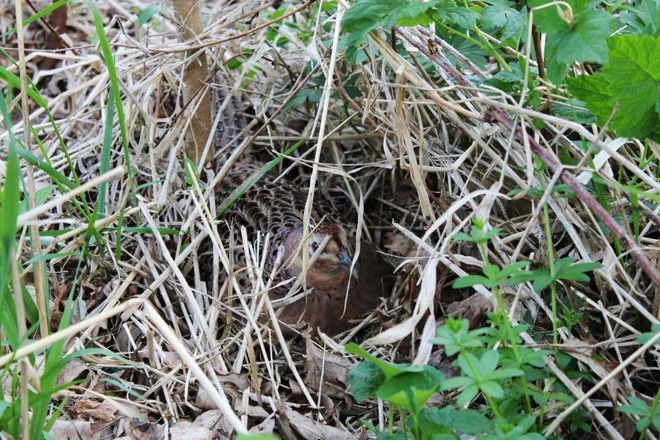
Nesting begins in late May and the young may be seen by late June.
Many of you may know that I have been researching and compiling fall upland game bird population predictions for a few states over the past few years. Due to opportunities provided by organizations such as Pheasants Forever and Pointing Dog Journal, I have been contacting regional experts for their post-hatch fall predictions. My attempt here is to test my observations for an unprecedented pre-hatch prediction.
The weather observations and game bird predictions are for entertainment purposes and to get us fired-up for fall. They should be taken at face value. It's always a crap-shoot and all bets are off! (Not approved by the State Gambling Commission.)
We don't have many pheasants around here; I hear lonely roosters occasionally calling (in vain?) down in the canyon below us. Perhaps the remnant few survivors of IDF&G's attempts to provide pheasant hunting opportunities. The “destined to die" - rooster only - release program won't likely produce anything but scattered carcasses and the faded memories of wild pheasants of yesteryear.
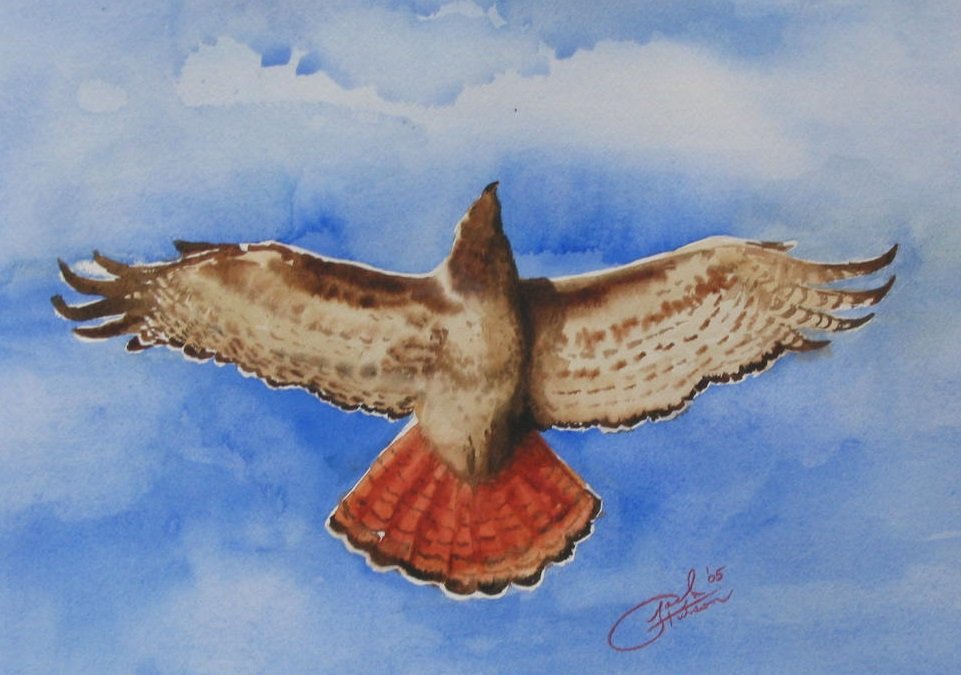
Predators can be hard on young birds but poor habitat and bad weather take a major toll.
However, we do seem to have an ample (valley) quail population. Rebounding from poor numbers of the recent past, these are the subjects of my observations and the basis of my predictions for our region. They had been paired up for some weeks (early May) and the (nesting?) hens had been conspicuously absent during our dog-related exercise travels since late May and into July.
The lack of hen sightings in early June implied that the first hatch was imminent. Basically road surveys taken while jogging dogs along a country road, our two-plus mile route hadn’t produced any young quail sightings as of early July.
The Weather is for the Birds:
Habitat – food, water, cover - is generally the greatest influence upon all wild creatures. Good habitat can produce good numbers of wildlife – simple! This time of year, weather becomes habitat’s equal in importance with respect to nesting and recruitment. Habitat that includes ample cover from harsh weather events will make a huge difference. Unfortunately, young precocial chicks of upland game birds travel along with their mother (both parents, species depending) and, as they travel through wet cover in cold conditions, lose the advantage the cover had provided.
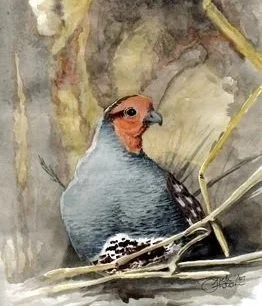
Weather is for the Birds:
“This time of year, weather becomes habitat’s equal in importance with respect to nesting and recuitment.”
Regional Conditions:
The winter weather in this region (North-Western Idaho & Eastern Washington) was extremely mild. Spring weather has been a weird mix - reasonable daytime temps with relatively cold nights with brief rain storms. Some rain events occurred at night when nests (or very young chicks) might benefit from the cover of sitting hens. Still, wet and cold conditions may have a chilling affect on foraging young hatched during this period.
Regional Prediction: Early July observations seemed to show a less-than-favorable early spring outcome. Though the weather wasn’t all that bad, using my quail test subjects, hens reappeared with no young birds being observed. Then, like magic, young broods came pouring out of the cover! Despite what was seen the first week or so of July, the current observations (mid-July forward) have shown broods of ten or more chicks. These are very likely the results of initial nesting due to the timing and larger brood size. My guess is to expect average to good bird numbers for much of this region.
Eastern Montana Conditions:
North-Eastern: With the relatively mild 2025-26 winter conditions, the region’s winter losses were manageable. The spring weather conditions were predicted to remain about average; with temps trending above the long-term average. However, north-central Montana experienced two major severe weather events in June 2026. First, a widespread severe thunderstorm and tornado outbreak on June 7, followed by a massive, damaging supercell weather event on June 27 and 28 that brought large hail “stones” and near hurricane-force winds.
Regional Prediction: It’s still early but it doesn’t look great for the western two-thirds of R6 and north-eastern R4. Hunters should expect amazing amounts of cover and, with any luck, fair pheasant numbers and slightly better sharptail numbers due to excellent carry-over.
South-Eastern R6 may have dodged the worst of late spring weather but the last week of June still experienced three days of over an inch-and-a-quarter of rain and significant hail. Early hatching young may have survived the wet and cool conditions but, if I had to bet, I have my doubts. Expect this part of R6 to offer a poor number of pheasants and less than average sharptail sightings.
South-Eastern: Miles City weather set things up nicely with one of its warmest winters and slightly higher than average precip. May’s weather was all over the place with blazing record temps (90’s) and a last day record dowsing to finish the month. Temps climbed back up into the 80’s and even 90° as they entered the month of June. Long-range weather predicts warmer and significantly drier conditions to prevail through the summer.
Regional Prediction: Here, again, fickle weather conditions make regional predictions difficult. In this region, thunderstorms and drought can turn good news to bad. The region hasn't received blanket rain coverage; most of its weather hit some areas with super high intensity and others recieved minimal amounts of precip. In 2025, much of the region experienced relatively poor sharptail harvest with pheasant on the rise. I suspect that sharptail won’t have improved much while pheasant hunters might experience poor to fair numbers where water and cover co-exist.
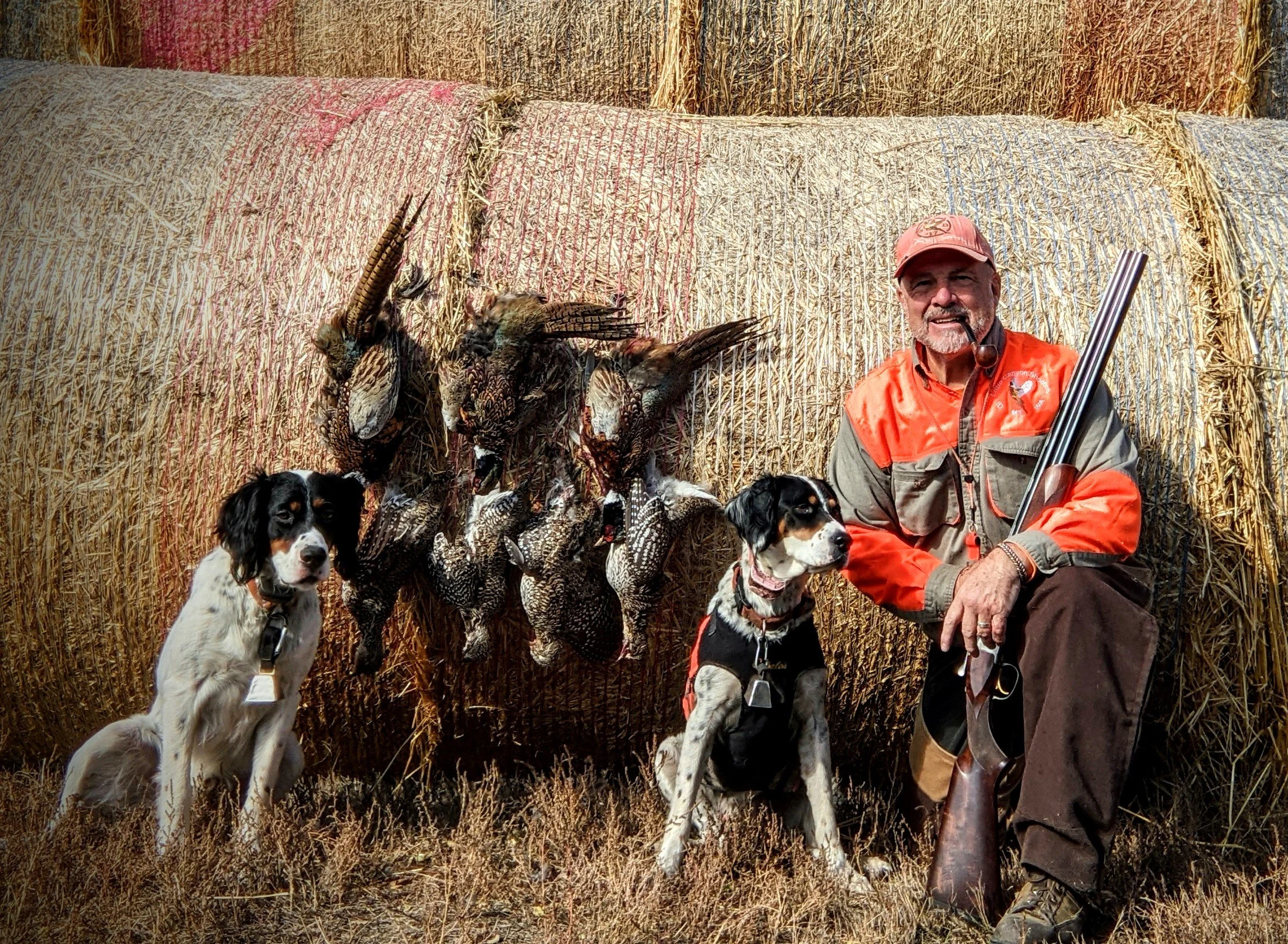
Excellent habitat and spring weather can produce amazing fall memories.
West-River South Dakota Conditions:
Similar to much of the upper prairie, West-River SD winter conditions in regions where we have hunted the past several years featured notably milder than average seasonal temperatures and below-normal overall snowfall. The one event of note was near hurricane force winds sweeping the plains in mid-December.
June 2nd and 3rd, the temps struggled to get over 60° with evening temps near freezing. The central region around Bison, South Dakota, experienced a pattern of cooling and rain. The area saw up to 3” of rain on Sunday, June 3rd. This was very likely during the nesting cycle and may not have affected the hatch.
After which, temps became more moderate - into the 60’s and 70’s - with significant thunderstorm activity at the end of the month bringing rain mixed with hail driven by high winds. That is later in the nesting cycle and may not have imposed a huge (damaging) affect upon the newly-hatched chicks.
Regional Prediction:
The weather during the spring hatch has been all over the place with high temps and spotty, yet significant, bouts of rain. Broods have been spotted in late June and early July, suggesting that some initial hatch attempts were successful. Therefore, I still suspect that we can experience a fair to average count for northwest and central South Dakota. Which is far better than anywhere else I hunt.
